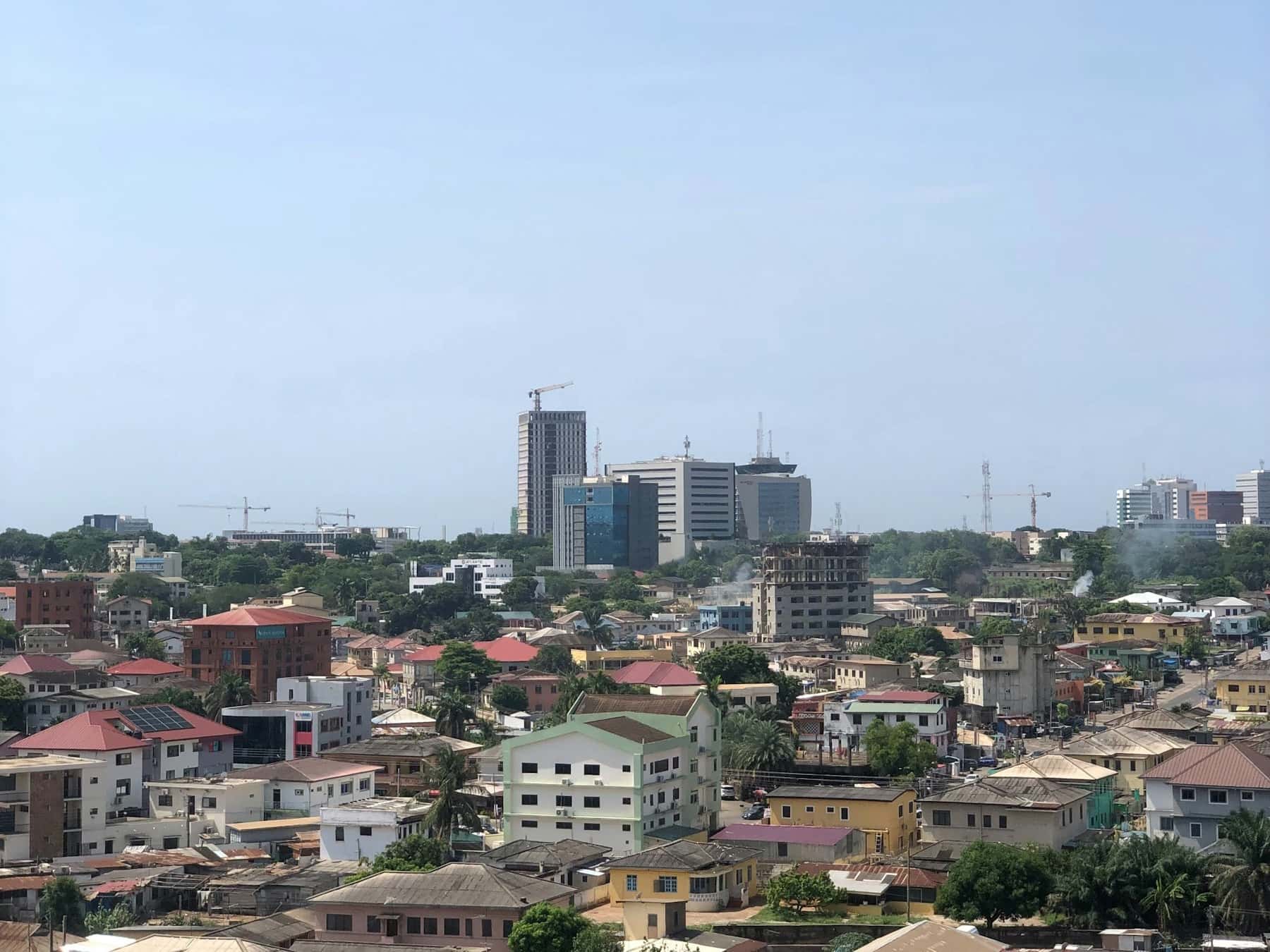
Buying property in Accra as a diaspora Ghanaian: the 2026 guide
Everything diaspora Ghanaians actually need to know to buy a property in Accra in 2026. The leasehold reality, neighbourhood guide, the legal pitfalls, the cost stack, and how to do it without flying home.
Ghana’s diaspora is the country’s largest single source of property capital, and Accra is the city where most of it lands. The market is not particularly forgiving. Land disputes are common, dual sales are real, the cedi is volatile, and the difference between buying well and buying badly is six figures USD. This guide is what we tell every diaspora Ghanaian client we onboard for property sourcing in Accra. Read it once before you put down a cedi.
The leasehold reality
Most land in Accra is held under a leasehold structure, not freehold. The two most common are Stool Land (held by traditional authorities, the chiefs, on behalf of communities) and State Land (held by the Lands Commission). Private freehold titles do exist but are rarer, and most apartment leasehold structures sit on ground-leased land.
Stool Land is governed by customary law, formalised through the Lands Commission, with leases typically 50 to 99 years. The lease is granted by the relevant chief, registered with the Lands Commission, and rent (ground rent) paid annually to the stool. Diaspora buyers consistently underestimate the importance of understanding which stool the land sits under, whether the chief who granted the original lease is recognised by the customary court, and whether competing claims exist.
Diaspora buyers consistently underestimate the importance of understanding which stool the land sits under and whether competing claims exist.
Accra neighbourhood guide
East Legon
Established expat and senior corporate neighbourhood. Wide streets, strong security culture, good amenities. Mid-range residential purchase prices in 2026 are USD 250,000 for a 2 bed apartment, USD 450,000 to USD 800,000 for a townhouse, USD 1m+ for standalone houses. Rental yields are moderate (5 to 7% gross). Capital appreciation has been strong over the decade.
Cantonments
Diplomatic and old-money. Strong tenant base in embassy housing and senior corporate. Yields lower (4 to 6%) but rental stability is the highest in the city. Multi-year leases at USD-denominated rents are common. Entry prices are at the higher end.
Airport Residential
Closer to the airport, rapidly developing commercial layer alongside residential. New apartment supply continues to come online. Yields competitive (6 to 8%) on the right unit. The neighbourhood has changed significantly in the last five years and continues to evolve.
Adjiringanor and Trasacco
Newer, residential-focused, gated and walled estate culture. Family-oriented. Yields moderate (5 to 7%), security is excellent, and tenant quality is high.
Dzorwulu
Quieter, mid-tier residential. Not as prestigious as Cantonments or East Legon but materially more affordable. Yields better (7 to 8%) than the prestige neighbourhoods, with a more local tenant base.
Labone and Osu
Walkable, mixed-use, busy. Strong short-stay and Airbnb potential. Long-term tenant base is more transient. Pick the building carefully; some Osu blocks are noisy and unsuited to family long-term tenants.
The legal process, step by step
- Engage a Ghanaian property lawyer paid by you. Not the seller’s, not the agent’s. Cost is roughly 1 to 2% of purchase price plus disbursements.
- Land search. Lands Commission search confirms the registered owner, the lease tenure, and any caveats. Cost is GHS 200 to GHS 500.
- Site verification. Physical site visit, GPS pin against the lease documentation, neighbour and adjacent-owner confirmation. We do this for every property we source.
- Due diligence on the chief or grantor.For Stool Land, confirm the granting chief is recognised, the original grant is properly documented, and no parallel grants exist. For State Land, confirm the allocation letter and the lease are consistent with the Lands Commission record.
- Negotiate and sign sale agreement.Deposit (typically 10%) into a lawyer’s escrow, not directly to the seller.
- Pay stamp duty. 0.5% of purchase price for residential property.
- Lodge the assignment at the Lands Commission. Registration completes the transfer. Until registration, the buyer’s position is protected by contract but not by record.
- Receive registered indenture.The completion document showing you as the new lessee.
The cost stack
On a USD 300,000 East Legon apartment in 2026:
- Purchase price: USD 300,000.
- Stamp duty (0.5%): USD 1,500.
- Legal fees (1.5%): USD 4,500.
- Lands Commission registration: roughly USD 250.
- Site search and survey: roughly USD 400.
- Property sourcing or buyer-side service: zero through Goldstay; varies elsewhere.
- Furnishing if let furnished: USD 8,000 to USD 15,000 for a 2 bed.
Total all-in cost, excluding furnishing, lands at roughly USD 307,000. Plan on 2 to 3% on top of headline price for a typical Accra residential transaction.
Seven pitfalls we see most often
1. Buying directly from the seller
Diaspora buyers, often introduced by family, skip the lawyer and the agent to save cost. The cost saved is dwarfed by the risk taken. Every diaspora purchase should go through an independent Ghanaian property lawyer.
2. Cash payments outside the banking system
Sellers occasionally request payment in cash, sometimes in USD outside the banking system. Refuse. The transaction must be on the record, in cedis or USD via a bank, with documentation consistent with Bank of Ghana FX regulations.
3. Trusting an “original” lease document
Document forgery in Accra land transactions is well-documented. The defence is the Lands Commission search, not the document the seller is holding.
4. Off plan with no track record
The same logic as Nairobi. Read the piece on off plan red flags. The patterns transfer almost identically.
5. Boundary disputes
Boundary errors and overlapping claims are common in older parts of Accra. A proper cadastral survey before any deposit is paid identifies most of them.
6. Service charge surprises
Apartments with monthly service charges that seem low at the time of sale and rise sharply post-handover. Pull the last two years of service charge statements before completion.
7. Currency mismatch
Negotiating in USD and paying in cedis at a rate the seller selects can lose 3 to 5% to FX. Specify in the sale agreement which currency the obligation is in and at what reference rate any conversion will happen.
Financing
Most diaspora purchases in Accra are cash. Cedi-denominated mortgages exist but are expensive (typically 18 to 25% interest). USD-denominated mortgages from a small set of banks (Stanbic, Ecobank, Standard Chartered) are available for diaspora Ghanaians on verified income, with rates in the 9 to 12% range and loan-to-value typically capped at 70%.
For purchases above USD 200,000, USD financing from a Ghanaian bank may make sense if the buyer is balancing cashflow needs across multiple investments. Below that, cash is usually the cleaner route.
How Goldstay handles it
For every diaspora client buying in Accra:
- We shortlist properties to brief, with comparable analysis on every option.
- We run a physical site visit and neighbour-occupation check on every shortlisted property.
- We coordinate the Lands Commission search, cadastral survey, and chief or grantor verification through our partner law firm.
- We negotiate the price, draft the sale agreement, and run the completion process.
- We register the assignment, deliver the registered indenture to the client, and set up the property for management or letting from day one of ownership.
The buyer pays nothing for our buyer-side service; we are paid by the seller on completion at standard market rates. Read more at /property-sourcing, or send a brief on this form if you want to start a search. For tax treatment of rental income once you own the property, read our Ghana withholding tax piece.

The Goldstay Legal Desk covers Kenyan and Ghanaian property law, title diligence, sale agreements, stamp duty, succession and the regulatory environment that property owners and investors encounter. Pieces are written in collaboration with our advocate partners.
How to buy Accra property from London or the US: the remote diligence playbook
Buying in Accra from London, New York or Toronto is now a routine process, provided the diligence stack is right. This is the exact sequence we run for diaspora clients who never set foot in Ghana before completion.
Buying property in East Legon: the complete 2026 diaspora guide
East Legon is Accra's single biggest diaspora buying zone. This is the honest 2026 guide to the pockets, the price ranges, the diligence traps, and the tenant economics that decide whether you buy well or badly.
Best Accra neighbourhoods for USD yield in 2026
Ranking Accra neighbourhoods on the metric that actually matters for a diaspora landlord: USD-denominated net yield after tax and management. Which pockets stack up, which do not, and why the answer is not what most agents will tell you.
Cantonments Accra: is the diplomatic premium still worth it in 2026?
Cantonments still carries the highest per-square-metre pricing in Accra, and the tenant covenants that justify it. But the arithmetic has shifted in 2026. Here is what the numbers actually say and where they still stack up.
Airport Residential Accra: the honest 2026 buyer guide
Airport Residential has quietly become the most watched Accra buying zone in 2026. This is what actually drives the pricing, which pockets are underwriting what tenant, and where the diligence is easiest to get wrong.
Ghana's 8% rental withholding tax: a complete guide for diaspora landlords
What the GRA actually expects from residential landlords in Accra in 2026, who is liable to withhold, the filing mechanic, the three traps that catch most diaspora owners, and how a manager handles all of it.
Ready to stop worrying about your property?
Join diaspora landlords across Europe, the UAE and North America who trust Goldstay.
Prefer to call? +254 702 471 993